.png)
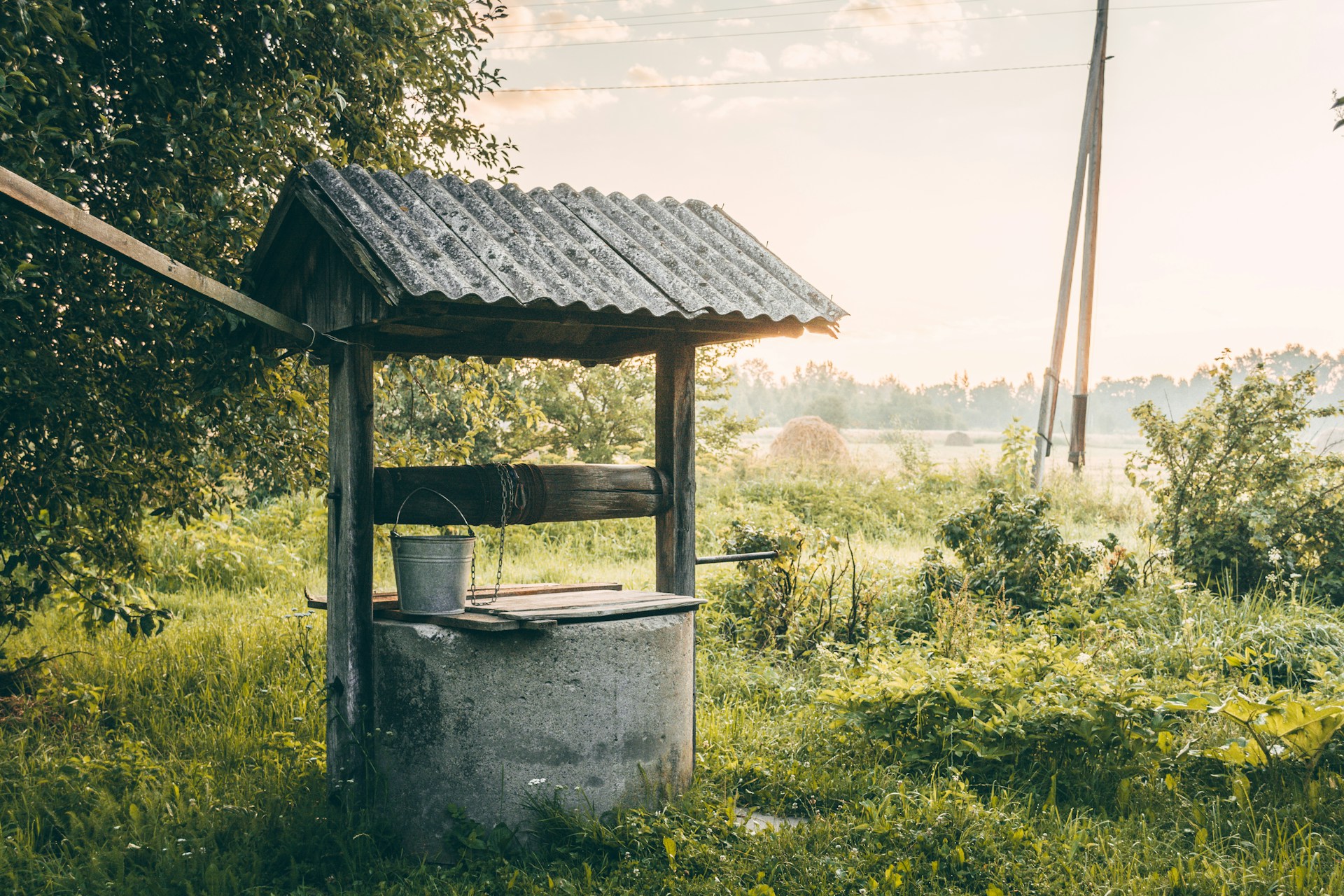
If you rely on a well at your home in Birmingham, you already know that the water pressure isn't always as steady as you'd like. Whether it’s the kitchen faucet trickling when it should be rushing or the shower turning into a light mist mid-rinse, these shifts can be frustrating. Your well water system works hard behind the scenes, but over time, it can hit a few snags that mess with pressure and steady flow. These issues don’t usually fix themselves, and ignoring them too long can lead to bigger problems.
A well water system depends on many connected parts. When just one thing is off, everything can feel out of sync. Seasonal changes, aging equipment, and heavier usage around holidays can all affect how much water you get and how fast. Spotting early signs and dealing with them promptly helps your system run better for the long haul. Let’s explore what might be happening when your water pressure isn’t what it should be.
When water pressure drops, you might think something's broken—and that's sometimes true—but the most common reasons may not be as serious as they seem. Some problems come from everyday wear, while others have more to do with how your household uses water.
Check out these typical causes of pressure problems in residential water well systems in Birmingham:
- Clogged pipes or screens
Minerals and small debris can build up in pipes or around the well screen. These blockages reduce the amount of water that can get through, slowing things down without cutting it off completely.
If your pump is older or originally served fewer people, it might not keep up with current needs. A worn-out pump takes longer to push water to your taps. Likewise, older tanks with failing air bladders or damaged parts can make pressure inconsistent or weak.
During fall and early winter in Birmingham, homes often use more water indoors. Long showers, extra cooking, and increased use of heating systems can raise demand. If your well system isn't keeping up, pressure takes a dip.
Pipes that carry water from your well to the house can develop leaks over time. Even small leaks can pull enough water away to affect pressure at the tap, all while going unnoticed because the pipes are buried or hidden.
If your area has gone through a dry stretch, your well may take longer to refill. Recovery issues can show up as pressure drops when a lot of water is used in a short period.
Noticing these problems early really makes a difference. Older equipment or changes in your household's water use can gradually affect flow. Paying attention to small changes in pressure lets you deal with issues before they get worse or more expensive.
Some warning signs of water pressure problems appear right away, while others build over time. Whether the signs are quick or slow, if something seems off with your water, it's usually worth getting checked out.
Here are signs that something might be up with your residential water well system in Birmingham:
One second your faucet’s fine, and the next the flow is barely there. This can happen without warning and usually means something in the system isn’t working like it should.
If water pressure is off in more than one room, it's probably a system issue rather than a local one like a blocked faucet.
If your toilet seems to take forever to fill or your dishwasher makes weird noises while trying to get water, low pressure might be the cause.
If someone’s in the shower and running the kitchen sink lowers the water flow, it’s a clear sign your system isn't handling demand well.
Bubbles or spurts of air might mean the pump is pulling from water levels that are too low or there's a malfunction in your tank or piping.
These issues usually point to something that shouldn’t be ignored. Whether it's a pump that’s failing or a hidden leak under your yard, getting to the root of the problem sooner protects your water supply and your home's plumbing.
Once you recognize there's an issue with your pressure or flow, the next step is pinpointing the problem and making smart fixes. A band-aid approach may work temporarily but won't hold up if the true issue is more serious.
Professionals usually start by inspecting and cleaning the pump, pipe connections, and the well screen. All of these parts can gather buildup over time. Even a functioning pump might be straining too much if it’s pushing against mineral deposits in the system. A good cleaning might be all it needs to perform better.
Next, they’ll check the condition of your pressure tank. This tank helps manage how water flows through your home. If the air bladder fails or the settings are off, you’ll notice uneven water pressure. Sometimes, adjusting the pressure switch helps—but if the tank is old or waterlogged, replacing it is the smart move.
Another step is checking the full line for leaks. Just because water isn’t visibly flowing into your yard doesn't mean there aren’t small leaks underground drawing pressure away from your house. A pressure test or line inspection helps catch problems before they cause damage.
Here’s a recap of some helpful solutions:
- Clean out the pump, piping, and screens to remove mineral buildup
- Inspect and adjust the pressure tank or replace it if worn out
- Check for any closed valves or damaged check valves
- Run a system pressure test to find minor leaks
- Evaluate the well’s recovery time, especially during dry or high-use seasons
These steps don’t always mean buying a brand new setup. More often, it's about getting current parts back into good working order. Small fixes can bring big improvements if caught early enough.
Even if the signs seem simple, the diagnosis usually isn’t. A lot is going on under the surface with residential water well systems, and trying to fix the issue yourself might do more harm than good.
A professional will look at everything from flow rate testing to the actual depth and physical state of your well. They’ll know how to handle sensitive equipment without making things worse. These inspections can uncover old problems that have been sneaking up slowly, especially if you haven’t had regular maintenance in a while.
Planned checkups save you time and trouble. Well systems don’t always act up before they stop working—they can fail with no warning. A fast inspection beats scrambling for emergency help when the water runs out during a busy holiday.
It makes a big difference to call someone familiar with Birmingham systems and local seasonal demand too. Fall and winter bring more indoor water use and pressure on well systems all around the area. That’s especially true around Thanksgiving and year-end holidays when people are home more.
Trained help can figure out if your pressure issue is due to higher use, aging equipment, or deeper groundwater levels, and get you clear answers.
Life depends on water running smoothly, and when your well isn’t working right, everything from showers to cooking gets harder. Little changes in pressure could be red flags, and the sooner you act, the more likely you are to avoid bigger issues.
A consistent and clear water supply keeps your family comfortable and supports everything from clean clothing to safe home-cooked meals. That steady pressure also keeps harmful minerals and contaminants from building up in places you can’t see.
Maintaining the water pressure in your well system is one of the best ways to protect your home and health. Whether your tank needs tuning or your lines need checking, having experienced help on your side makes the process smoother. Reliable water should be something you can count on, and solving pressure problems quickly is a big part of that.
To keep your home’s water running smoothly and your family protected against unwanted contaminants, it’s important to stay on top of any changes in pressure or flow. Learn how to better care for your residential water well systems in Birmingham by diving into the expert tips from Keith the Plumber Water Filtration. Cleaner, safer water starts with understanding the system that delivers it.