.png)
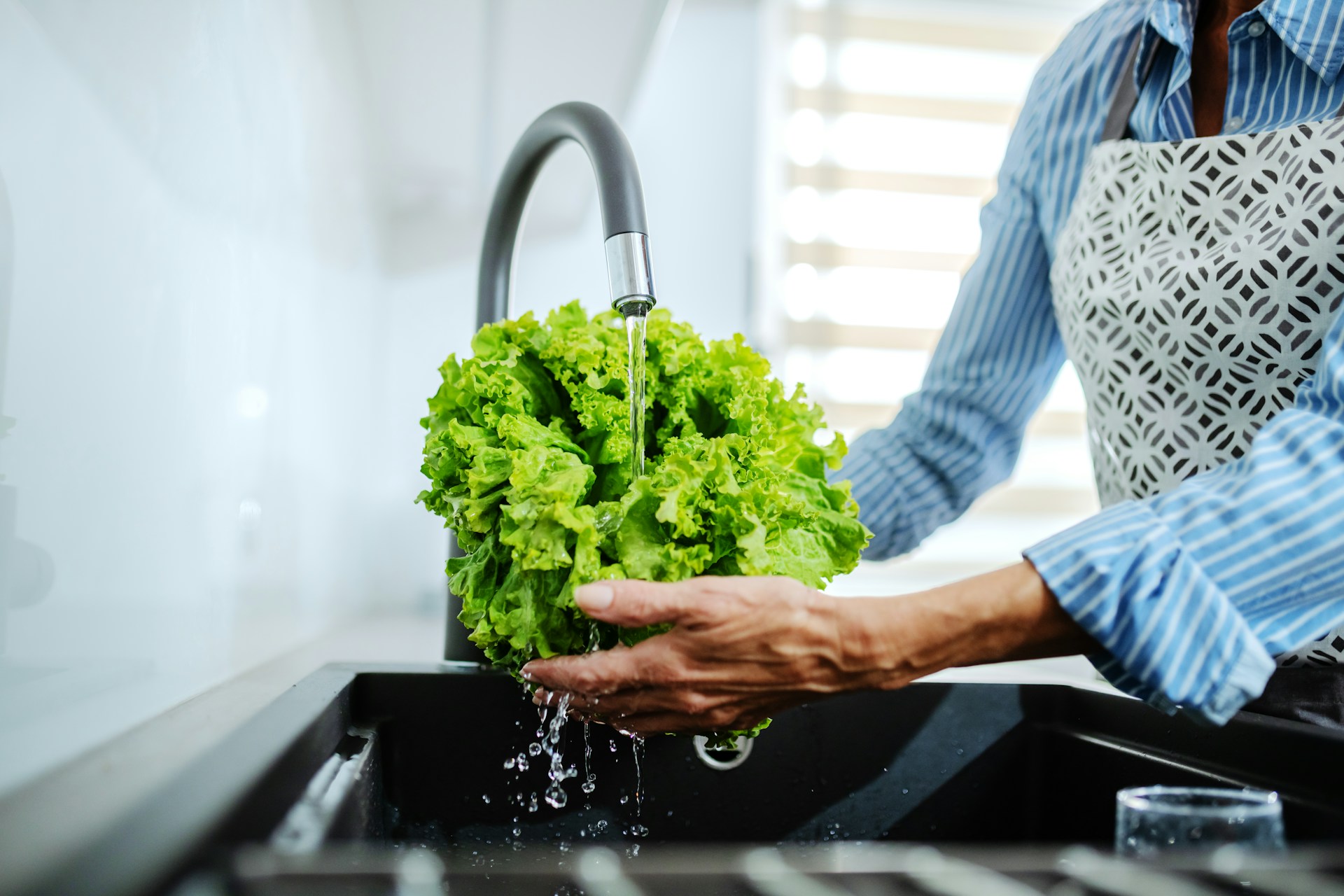
Clean water isn't something most people think about every day, but it plays a big role in how we feel and live. From the coffee in the morning to washing up at night, water flows through almost every part of daily life. For families in Birmingham, making sure that water is safe and free from harmful substances can have a big impact on long-term health. Even when water looks clear, it doesn't always mean it's clean.
Birmingham's water system does a decent job treating water, but those treatments don’t always eliminate everything. Certain chemicals and minerals can still be found by the time the water reaches a home’s tap. These leftover impurities can build up in the body, dry out skin, or even affect how food and beverages taste. That’s where water treatment becomes important—not for better pressure or plumbing tricks, but for the sake of what enters the body every single day.
Birmingham sits on land that naturally holds a fair amount of minerals. That contributes to what's called “hard water,” which contains higher amounts of calcium and magnesium. These minerals aren’t dangerous by themselves, but they can leave chalky residue on dishes, dry out skin and hair, and shorten the life of appliances. Worse yet, there are other things that sometimes find their way into the supply: chlorine byproducts, bacteria, and even small traces of metals like lead.
Here are some of the more common contaminants homeowners should be aware of:
- Sediment: Sand, dirt, and rust particles from aging or damaged pipes
- Chlorine and ammonia: Used to disinfect water, but can affect taste and smell
- Microorganisms: Bacteria or viruses that sometimes sneak in, especially after heavy rainfall or after a water main is repaired
- Lead and copper: Often from older plumbing materials inside or near the home
- Industrial runoff: Occasionally enters water sources from nearby facilities or construction zones
The time of year sometimes adds to the problem. Cooler months, like late fall going into December, can lead to water moving more slowly through the pipes. This can increase the chance of sediment build-up or temperature-driven pipe corrosion, which can release more metals into the water. On top of that, freezing temperatures can strain aging systems and cause temporary dips in water quality if lines are disturbed.
Understanding what’s in the water helps families make smarter decisions. And while filters in refrigerators or pitchers might reduce bad taste, they don't always catch everything that matters for long-term wellness.
Cleaner water doesn’t just taste better—it’s better for the body, too. Removing unwanted additives like chlorine or microscopic microbes lowers everyday exposure to things that might irritate the skin, upset digestion, or trigger allergies. People often notice fewer dry patches on their skin after switching to purified water, and some even say their soap or shampoo works better.
Kids and older adults can especially benefit. Their immune systems tend to be more vulnerable, which means the effects of consuming or bathing with unclean water can add up faster for them. When a family uses purified water throughout the house, it helps in small but important ways, like:
- Softer skin after showers or baths
- Cleaner drinking water straight from the tap
- Reduced chlorine fumes while running hot water
- Less build-up in humidifiers or CPAP machines
One mom in the area noticed her toddler’s skin didn’t get as red and itchy during bath time after switching to filtered water. It wasn’t just about the chlorine smell disappearing—it was the little things like smoother skin and fewer breakouts.
While no system catches absolutely everything, a solid purification setup offers peace of mind. It’s about turning tap water into something that supports health instead of working against it. When water quality is improved at the source, families don’t have to worry as much about what’s lingering unseen behind the faucet handle.
Choosing the right method to clean your home’s water depends on what’s in it. A blanket solution doesn’t work for everyone, especially when local water may carry different types of particles, chemicals, or byproducts. The goal is to choose a system that fits your home and targets the actual issues without making things too complicated.
Here’s a breakdown of some common purification options and how they work:
- Whole-home filtration: These systems attach near where the water first enters the house. They catch sediment, reduce chemical tastes, and filter out minerals like calcium or magnesium. Great for hard water and homes with older pipes.
- Reverse osmosis: Best for drinking water stations. These units use pressure to filter out many invisible contaminants, including metals and trace chemicals. However, they typically work at a single faucet and take longer to process water.
- UV purification: This type of system uses ultraviolet light to kill bacteria or viruses. It works well in areas where microorganisms are a concern, but it doesn’t remove dirt, minerals, or chemicals.
Some homeowners use a mix of systems. For example, a whole-home filter paired with a reverse osmosis tap in the kitchen offers a practical balance. That way, shower water feels better, and cooking water stays clean. It’s helpful to remember that not all filters work the same—some only catch big particles, while others are designed for finer stuff you can’t see or smell.
What works for one home in Birmingham may not be right for another just a few miles away. City water sources connect to different treatment plants, and local plumbing systems vary by age and material. Before deciding on a setup, the best move is to find out exactly what’s coming through the pipes, then match the solution to those conditions. That turns a guess into a smart investment in your home’s health and comfort.
When it comes to picking and installing a treatment system, experience matters. It’s about more than hooking up a filter. The right setup depends on water type, plumbing age, and even the number of people in the house using the water every day. A good installer will test the water first, so they can figure out which methods make the most sense.
Some homes in Birmingham deal more with chlorine while others may struggle with iron or sediment. A one-size-fits-all approach leads to regret and ongoing issues. That’s why it’s better to get personalized guidance from someone who knows the local water supply and understands how to work with different building types and plumbing setups.
A professional can help you:
- Identify the exact contaminants in your home’s water
- Recommend a treatment system based on usage, water source, and health goals
- Install the system properly so it actually works the way it should
- Maintain the filters and parts so they stay clean and effective
Having this kind of support gives you confidence the job's been done right. Instead of second-guessing a DIY option or chasing down tools, your water gets treated the way it should with care and with your family’s well-being in mind.
It’s easy to take water for granted, but the effects of poor water show up slowly—dry skin that won’t go away, appliances that wear out quickly, dishes that always look cloudy. Treating the water at the source doesn’t just fix little annoyances. It can support better health, better comfort, and fewer unknowns floating in your glass.
Winter in Birmingham can quietly bring challenges to tap water, especially with cold pipes slowing things down or older connections releasing sediment. That’s why this time of year is actually one of the better times to pay closer attention to what you're drinking and bathing in.
Once you experience water that’s been properly treated, the difference is hard to ignore. Showers feel cleaner. Towels feel softer. And the strong smell of chlorine disappears. For anyone looking to take that step forward, now’s a good time to think about how clean, filtered water could change your day from the very first sip.
When it comes to making sure your home's water is clean and better for your family, getting a solution that fits your needs matters. Keith the Plumber Water Filtration offers personalized care to help you feel confident about every drop. Learn how our water purification services can support your home’s health and give you peace of mind moving forward.